
I was in St. Louis for several days last week, attending a conference. And I came away – as I usually do – with some thoughts about the real estate market.
I stayed in the Central West End, a vibrant, walkable mid-town area, filled with cool places to eat, drink, and shop. Also filled with great houses that have survived since the turn of the last century. Huge, ornate, fabulous houses – a testament to the wealth accumulated in a city that got big and got rich 150 years ago. It feels like a mashup of Centennial Park, Hillsboro Village, and Five Points – but with bigger fancier houses. Much bigger, much fancier, and some cool Art Deco, and mid-20th century buildings thrown in for spice. I loved it!
Nashville, like all American cities that existed 150 years ago, had its share of areas like Central West End. Most of what Nashville once had is gone. Nashville was much smaller than St. Louis, of course, so there was less of it to begin with, but the big difference is the state of preservation. The Central West End survived largely intact. Similar parts of Nashville did not.
So, what does this have to do with our current real estate market? It has to do with how value builds over time. I’m taking the long view here. Bear with me.
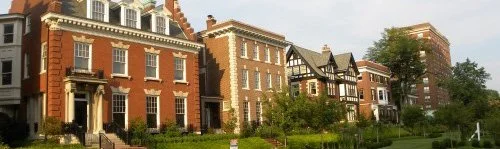
We live in an instant gratification world. People want the latest thing – right now. Everything is in present tense. But I see a lot of renovation and modernization projects these days that may turn into a drag on market value down the road.
I’m not trying to stop the clock. Change is inevitable, and I do believe that everyone should have the house they want – and have it right now. But ...
There are things I’d think long and hard about before doing them to a house:
Painted Brick Paint is touted as a quick, (relatively) cheap, easy way to make an old brick house new, but it comes with a downside. Unlike wood, brick is made to withstand weather without paint. Adding a layer of paint introduces an unnecessary maintenance issue. Further, it fundamentally changes the character of the house. Ranches and Tudors weren’t intended to be black. Or white with black trim. Or blue. Plus, who wants to pay for a new paint job 15 years from now?
Open Concept It seems that everyone wants to live in the kitchen these days. Sofa, easy chairs, coffee table, big screen TV, dining table, frying pan, toaster, and fridge – all in one room, along with noise, conversation, splatters and spills. That’s fine if you want it, but I predict that someday people will want some of their walls back – for a bit of privacy and noise abatement if nothing else.
There are other points I could make, but I think I’ve made the main one: think twice before fundamentally altering the character of your house. The key to the wonderfulness of the Central West End is that the houses have largely been left alone. I’m sure there are lots of new kitchens (see my exemption below) and new bathrooms, and I hope they all have central HVAC. But the look and feel of the neighborhood remains, and that’s what makes it vibrant – and valuable.
Exemption: Kitchens. I believe everyone on earth should have their dream kitchen. Technology and techniques have changed radically over the past century, and it would be burdensome, not to mention a bit silly, to preserve and use an antique kitchen. So, have at it! Redo the kitchen – I did mine in my 1962 ranch two years ago – but be very careful with the rest of the house.